
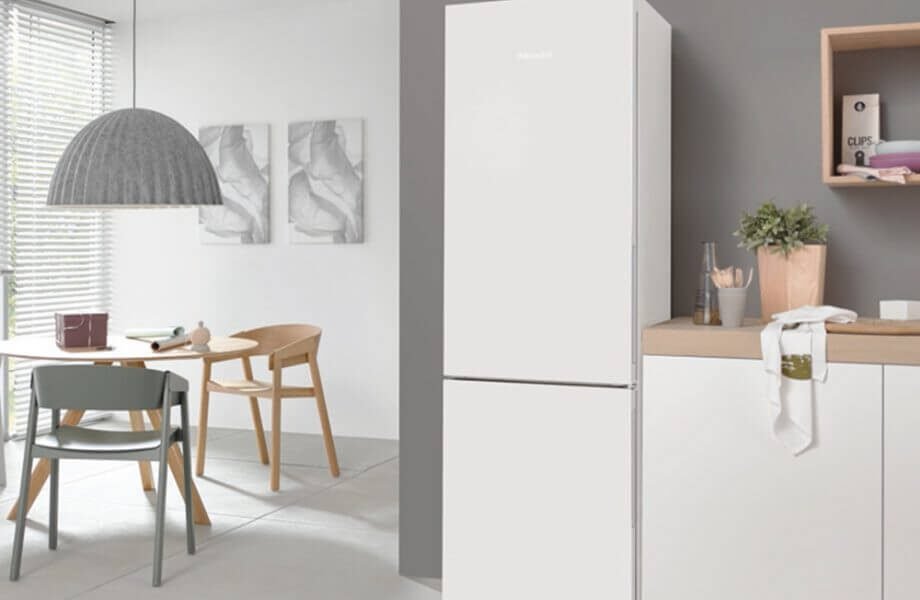
Kitchen lighting – everything you need to know
Kitchen Lighting – Everything You Need To Know
Your kitchen is more than just a place to cook; it’s a hub for family gatherings, entertaining friends, and even working from home. That’s why kitchen lighting plays a critical role—not just for functionality, but also for style. From ambient glow to task-focused lighting, the right illumination can completely transform your kitchen’s look and feel. In this guide, we’ll cover everything you need to know about kitchen lighting, from types and placement to design tips.
Why Kitchen Lighting Matters
Proper kitchen lighting is essential for:
-
Safety – Well-lit counters and cooking areas reduce the risk of accidents.
-
Functionality – It helps you prep food, cook, and clean more efficiently.
-
Ambiance – Lighting sets the mood, whether it’s a cozy breakfast or a dinner party.
-
Design Enhancement – It highlights your cabinetry, backsplash, and architectural features.
A poorly lit kitchen can feel cramped, dull, and even unsafe. But with the right lighting plan, you can create a space that is both beautiful and practical.
Types of Kitchen Lighting
Kitchen lighting is usually layered in three main types:
1. Ambient Lighting
Ambient lighting provides general illumination for the entire kitchen. This can include:
-
Ceiling-mounted fixtures
-
Recessed lights
-
LED panels
Ambient lighting ensures that the room is evenly lit, so you never have dark corners.
2. Task Lighting
Task lighting focuses on areas where activities like chopping, cooking, or reading recipes happen. Examples include:
-
Under-cabinet lights
-
Pendant lights over the island
-
Track lighting over worktops
Task lighting improves visibility and helps prevent accidents.
3. Accent Lighting
Accent lighting adds drama and style. It can highlight features such as:
-
Glass cabinets
-
Backsplashes
-
Open shelves
Accent lighting is more about creating a visual appeal than functionality.
Best Lighting Options for Different Areas
Here’s how to light specific areas in your kitchen:
-
Kitchen Island: Pendant lights are ideal; they provide both style and illumination.
-
Countertops: Under-cabinet LED strips help with chopping and prepping.
-
Pantry & Storage: Motion-sensor lights are practical and energy-efficient.
-
Dining Area: A chandelier or statement pendant adds elegance.
Tips for Choosing Kitchen Lighting
-
Layer Your Lighting – Combine ambient, task, and accent lighting for a balanced look.
-
Consider Color Temperature – Warm white (2700K–3000K) is cozy; cool white (4000K–5000K) is ideal for work areas.
-
Use Dimmers – Adjust brightness based on mood and activity.
-
Think About Style – Match fixtures with your kitchen design—modern, rustic, industrial, or minimalist.
-
Don’t Forget Energy Efficiency – LED bulbs save energy and last longer.
Common Mistakes to Avoid
-
Overlooking Task Lighting: Ceiling lights alone won’t cut it for prep work.
-
Ignoring Shadows: Poor placement can create shadows, making cooking unsafe.
-
Choosing Style Over Function: A beautiful fixture that doesn’t provide enough light defeats the purpose.
-
Underestimating Dimmers: Adjustable lighting adds flexibility and mood.
Final Thoughts
Good kitchen lighting isn’t just about illuminating a space—it’s about enhancing function, safety, and style. By understanding different lighting types, their placement, and design tips, you can create a kitchen that is both practical and visually stunning.
Invest in lighting that works for your lifestyle, and your kitchen will become the heart of your home, fully illuminated and inviting.

YOU MAY ALSO LIKE

March 14, 2019
The kitchen has always been the heart of the home—but in 2026, it’s evolving faster than ever.
March 13, 2019
White kitchens have long been a timeless favorite—and for good reason. They’re bright, clean, versatile, and make any space feel larger and more inviting.